What happened at the Digital Poland Association House? A wrap-up from the Economic Forum in Karpacz
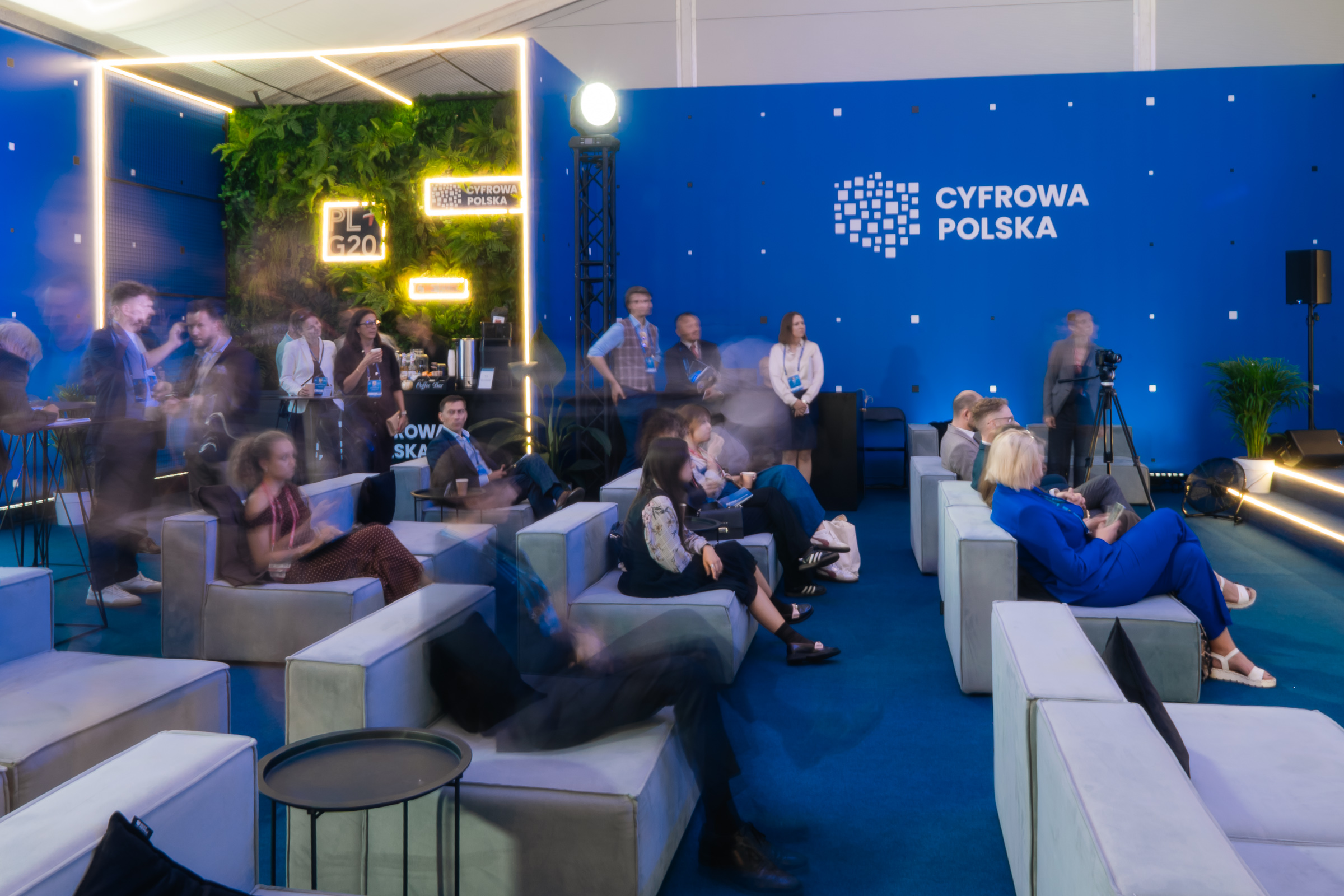
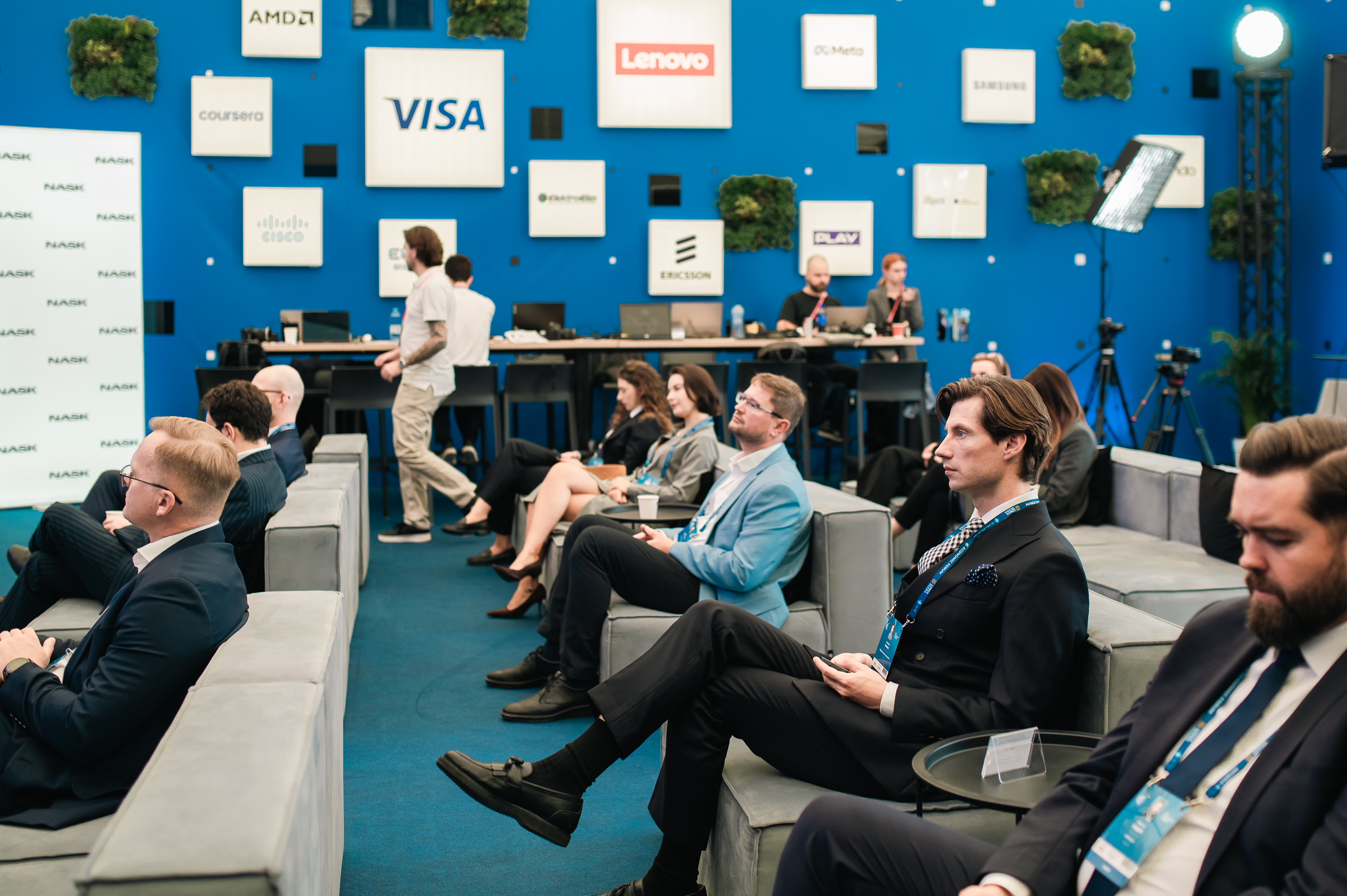
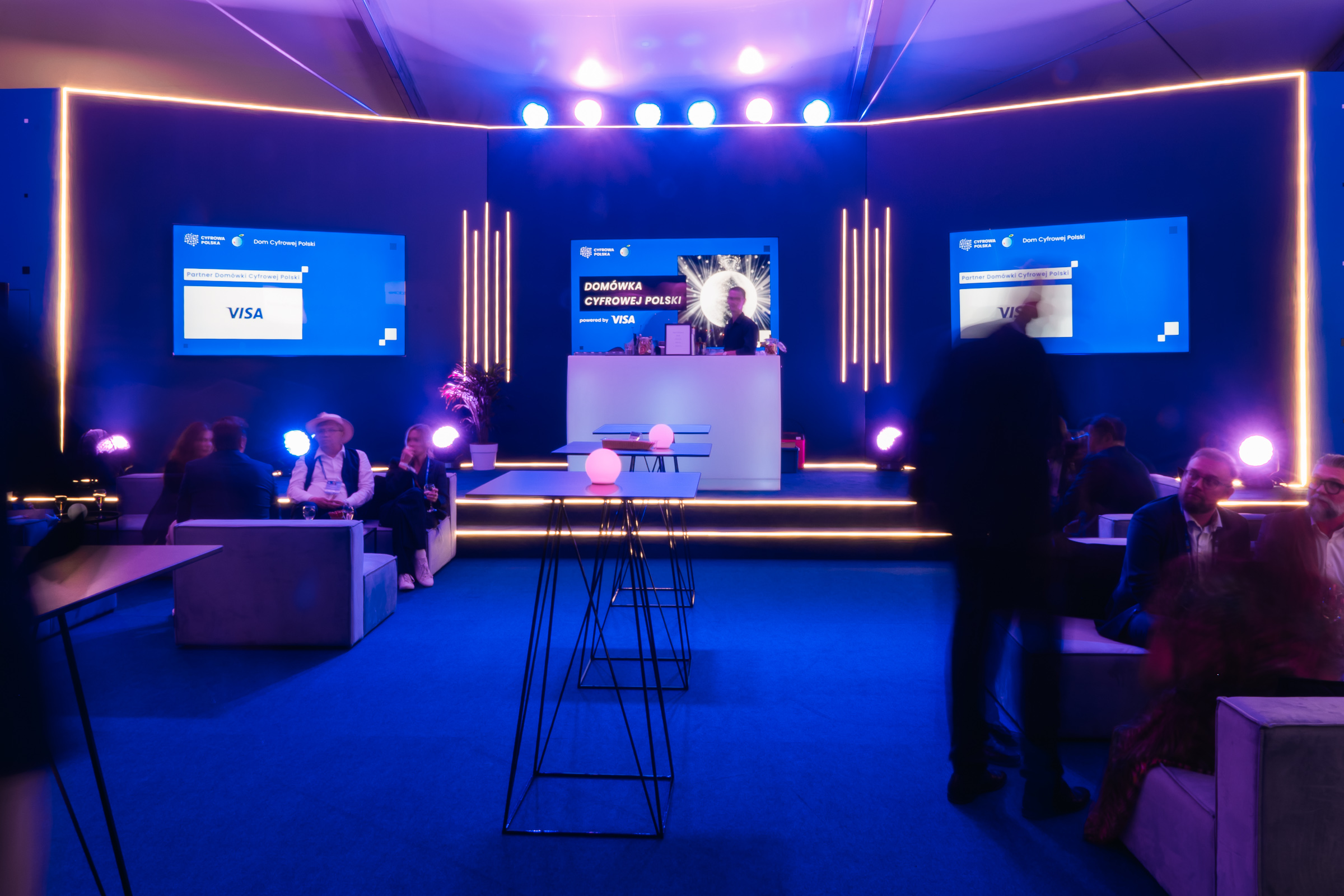
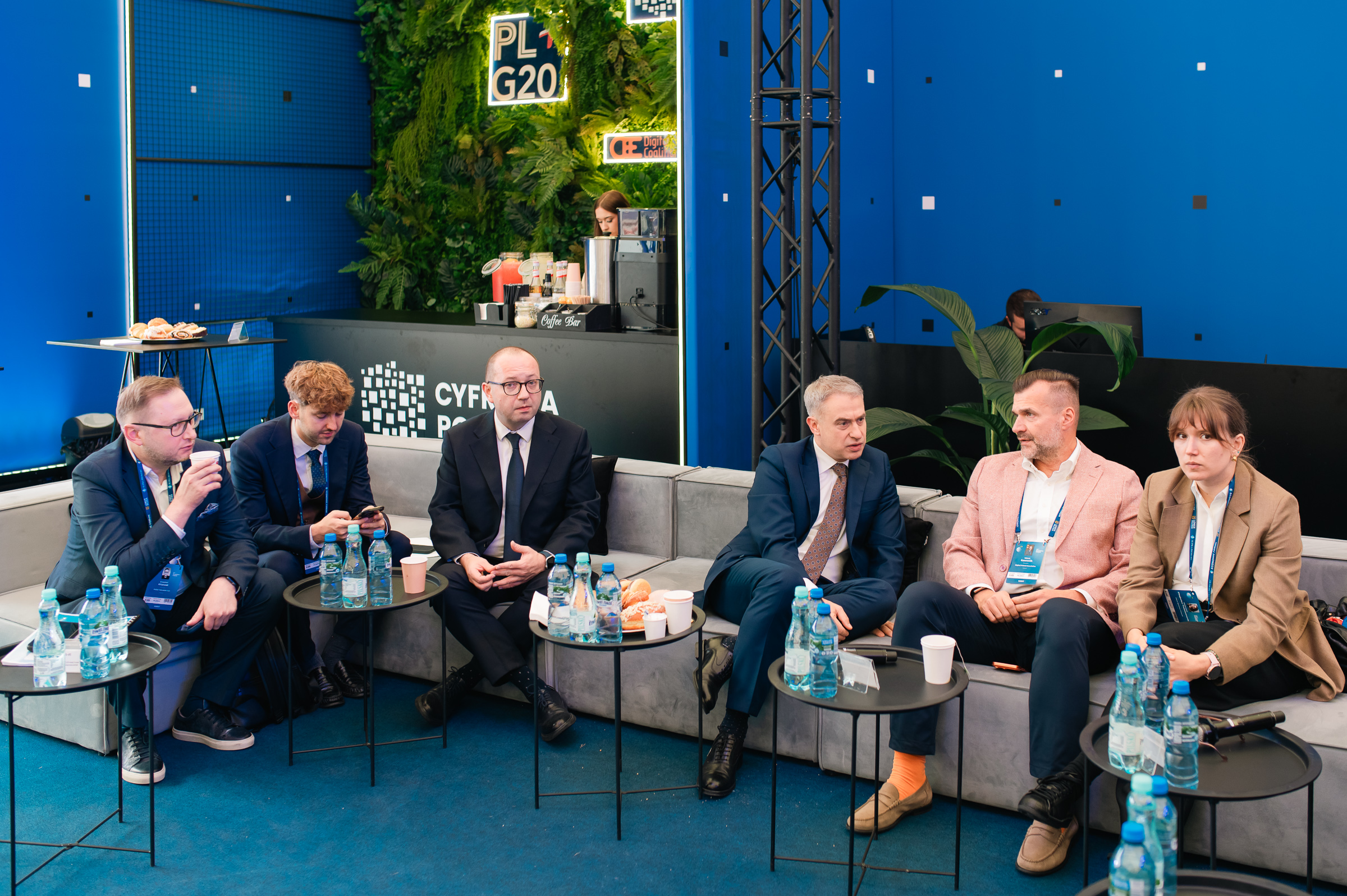
Another edition of the Economic Forum in Karpacz has come to an end. For the third year in a row, we set up a dedicated meeting space for the digital industry: the Digital Poland Association House. Over three days, it brought together representatives of public administration, business, academia and NGOs from Poland and across Europe.
Day 1: CEE, Europe, Competitiveness
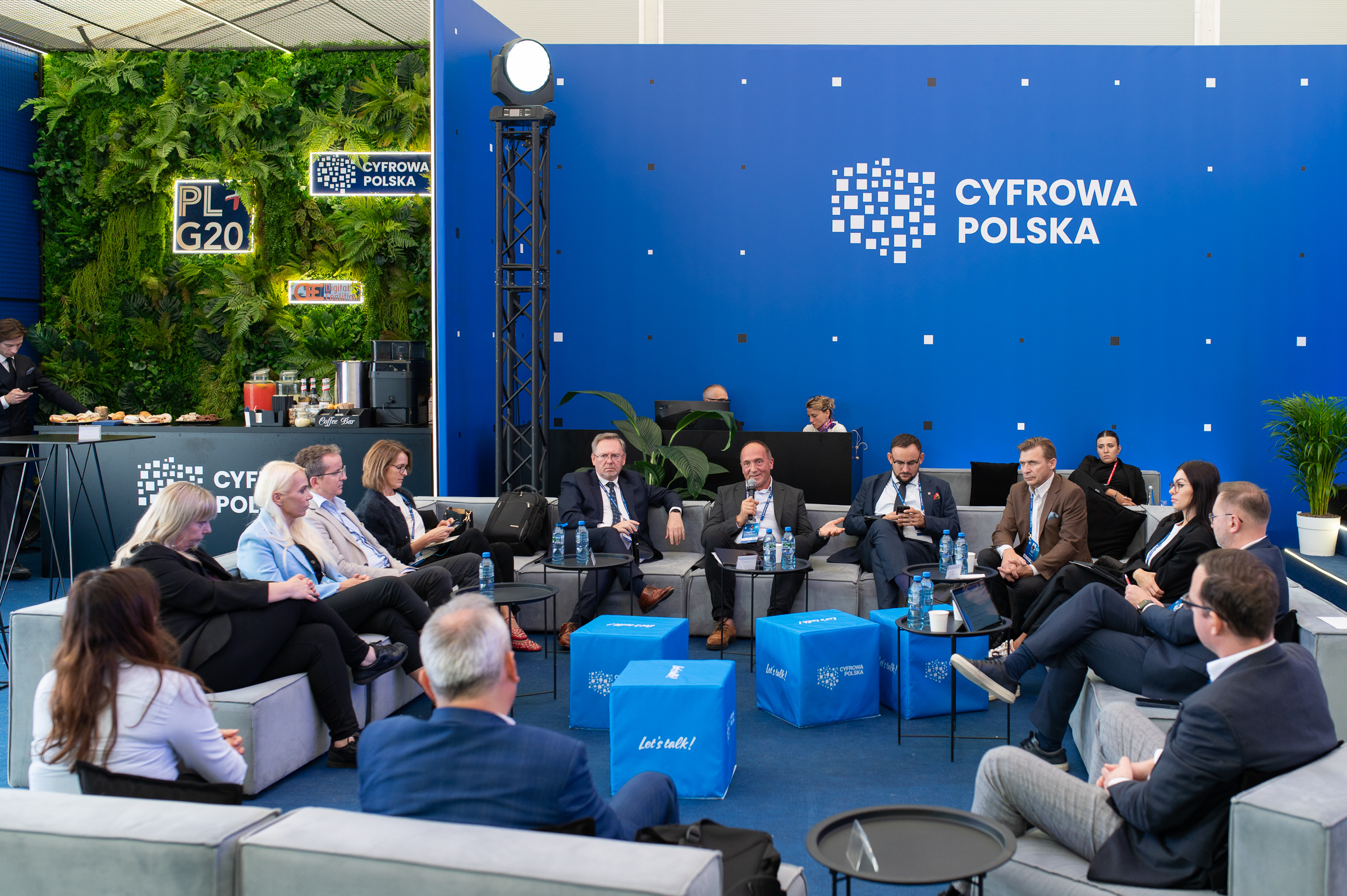
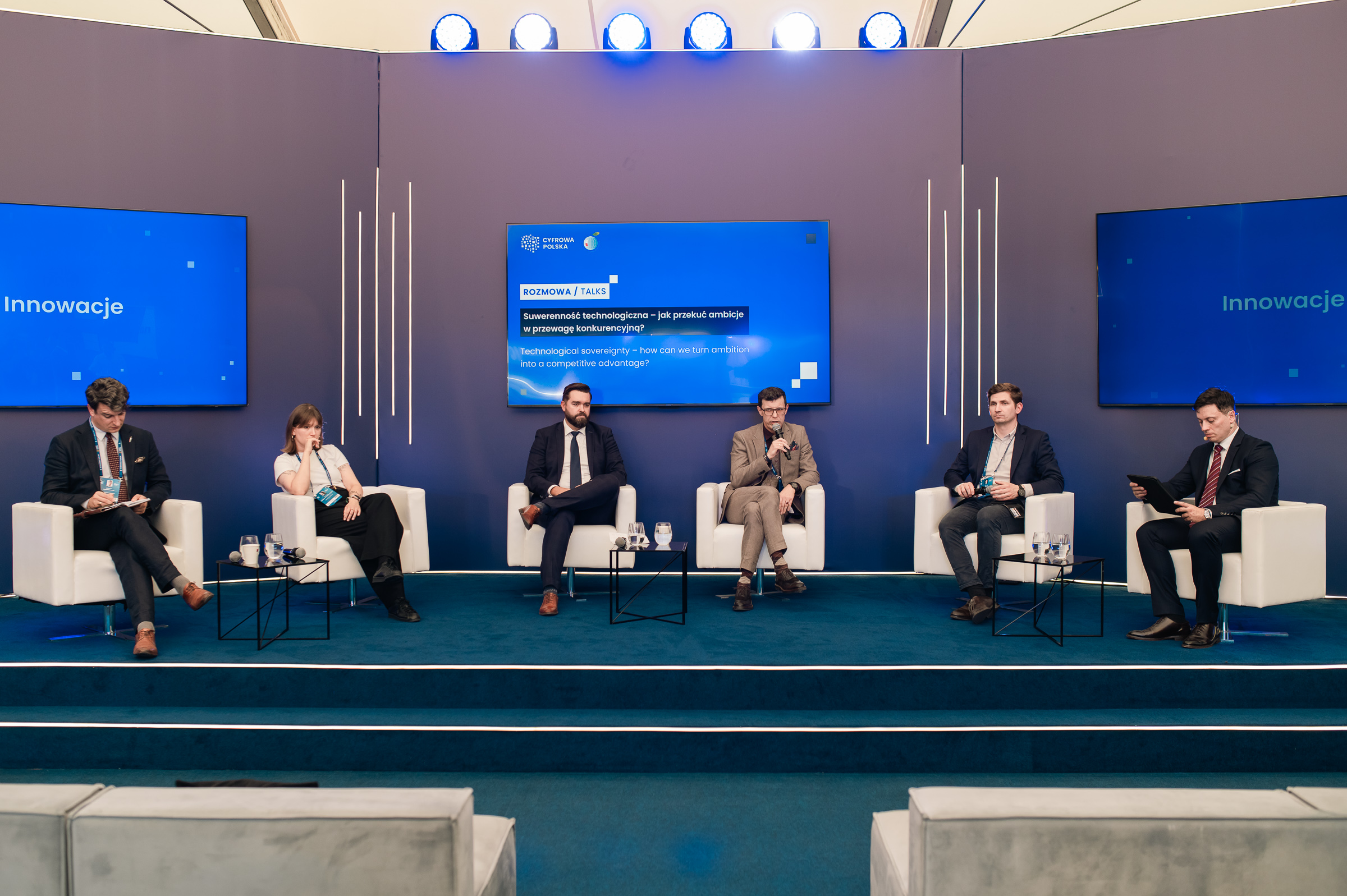
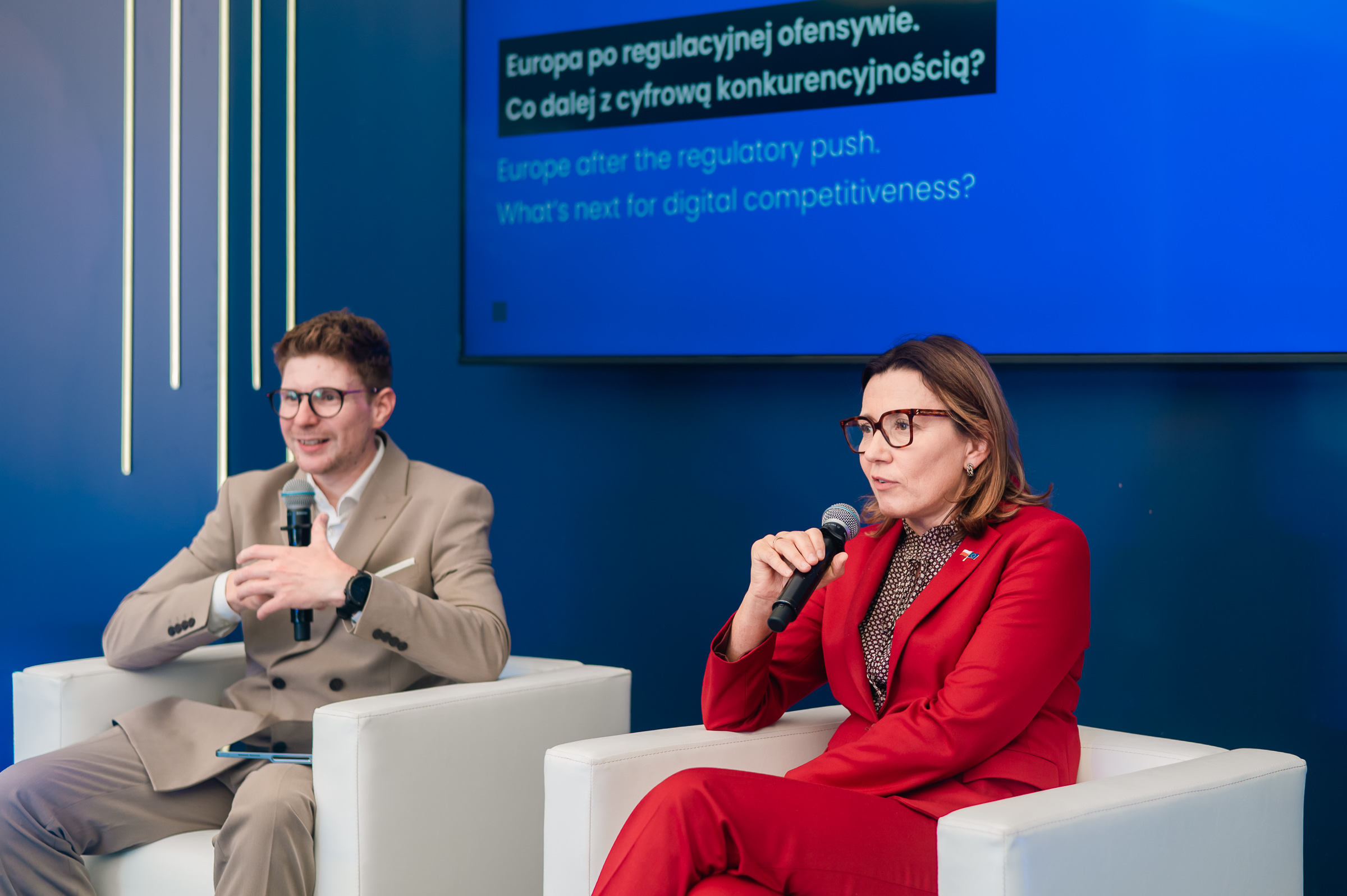
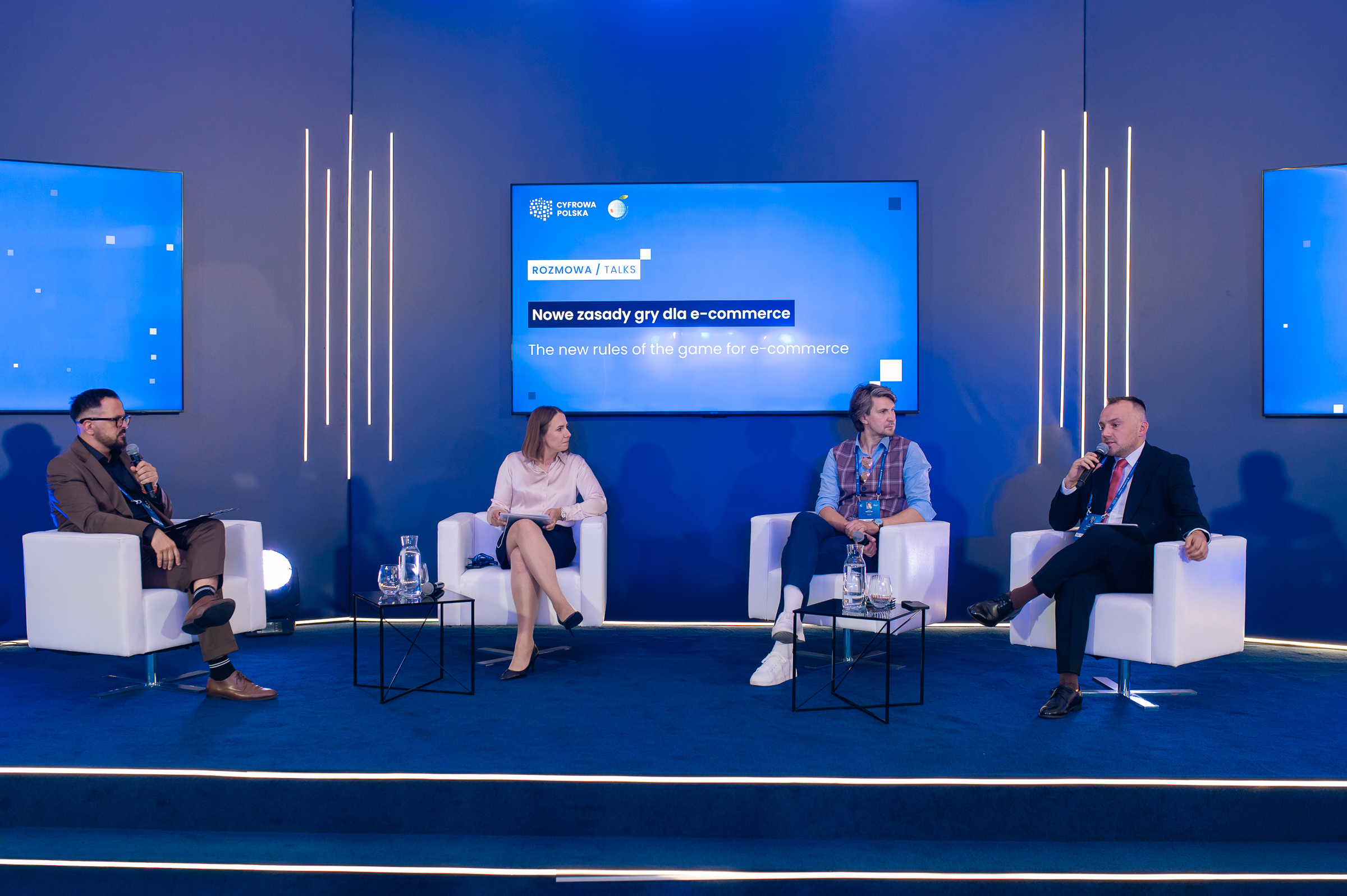
The first day focused on Central and Eastern Europe’s place in the EU-wide conversation about the future of the digital economy. Discussions covered technological sovereignty, AI reshaping the cybersecurity landscape, and the impact of digital regulations.
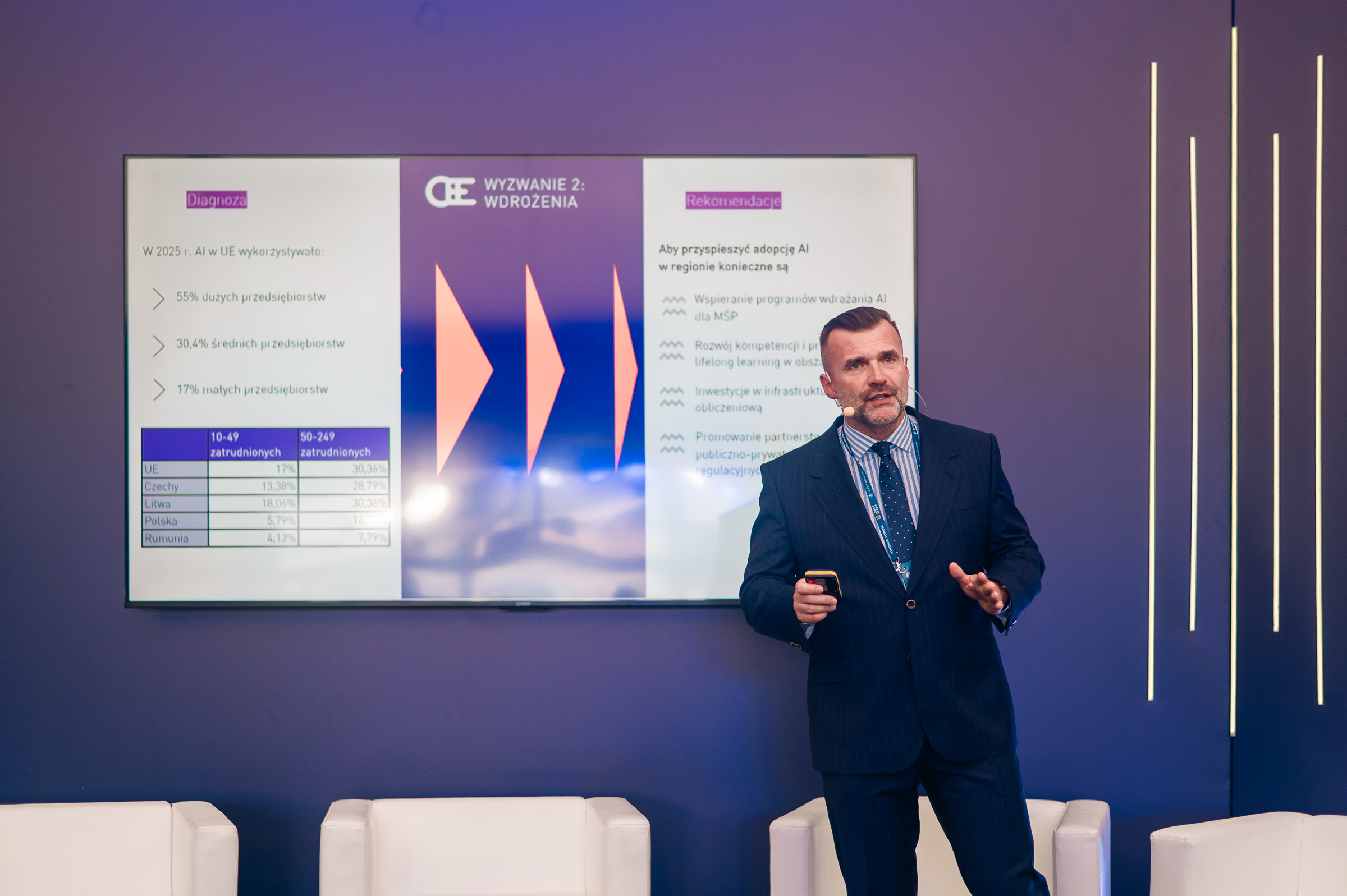
The day’s highlight was the launch of the CEE Digital Coalition’s new report, “CEE AI Challenger 2026,” which presents the region’s perspective on AI development in Europe, along with recommendations for accelerating adoption, particularly among small and medium-sized businesses. The authors draw our attention to a persistent awareness gap among SMEs when it comes to putting AI to practical use, continued investment shortfalls, and the need for broader regulatory sandboxes.
Download the report HERE.
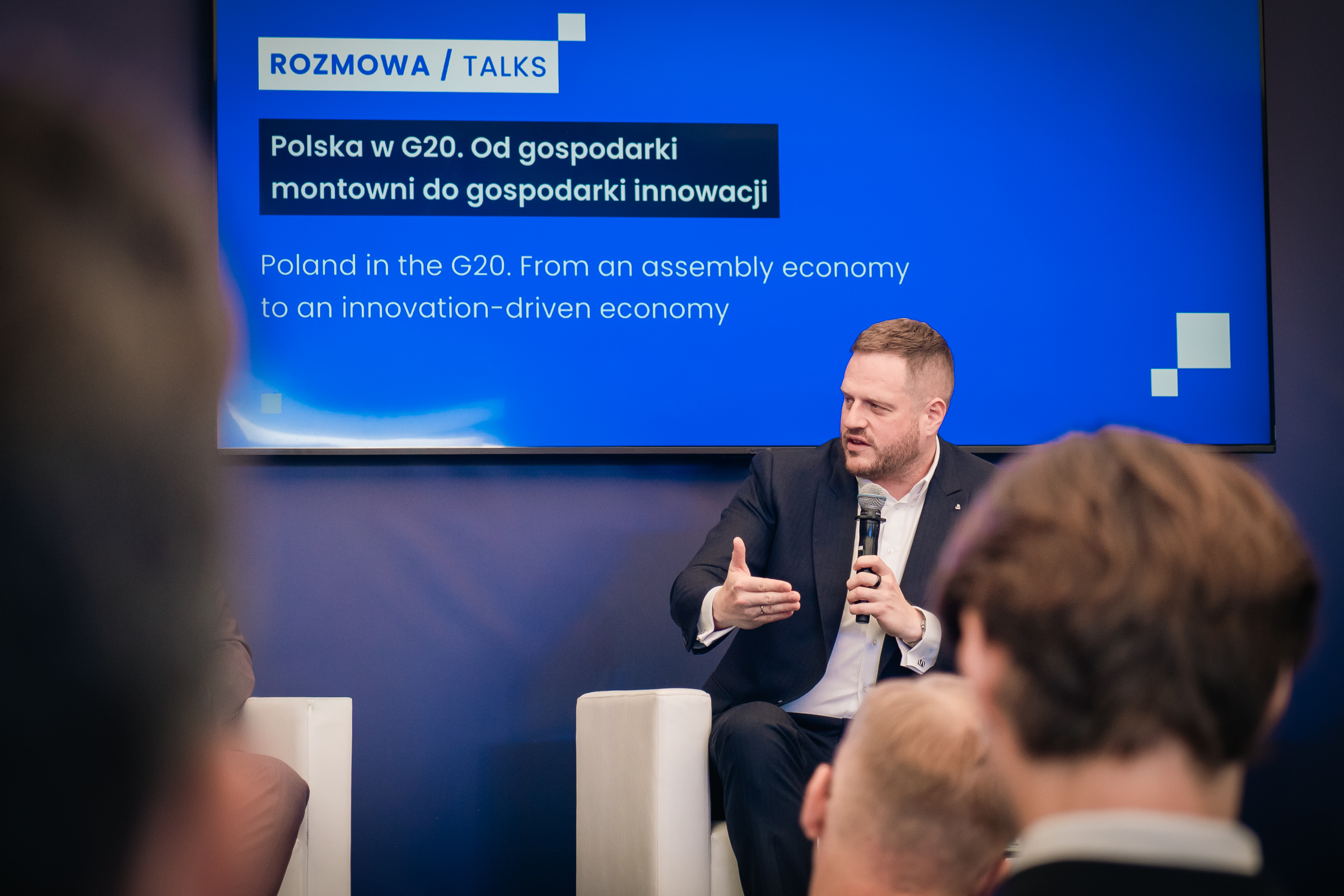
Day 2: Poland in the G20
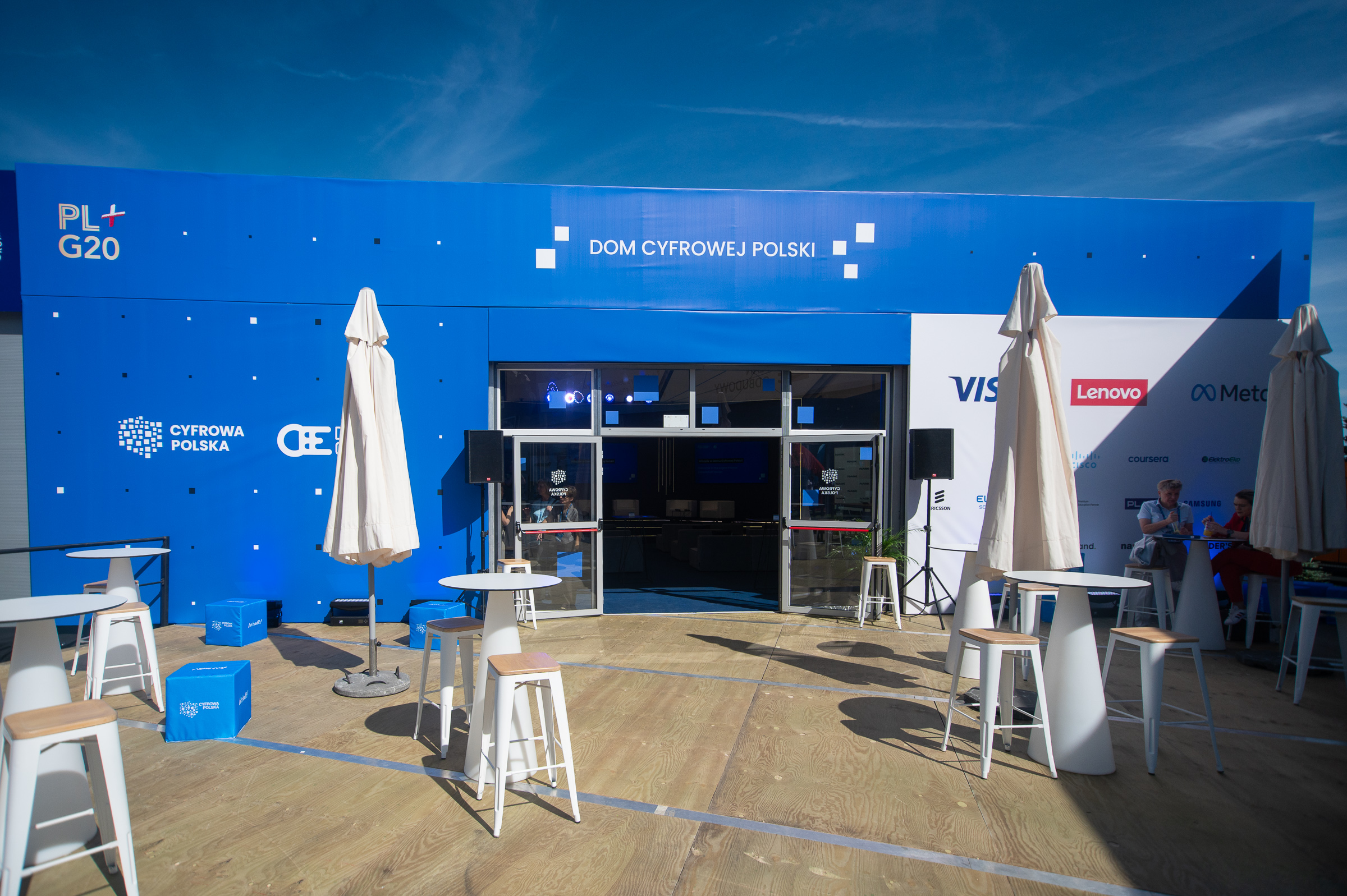
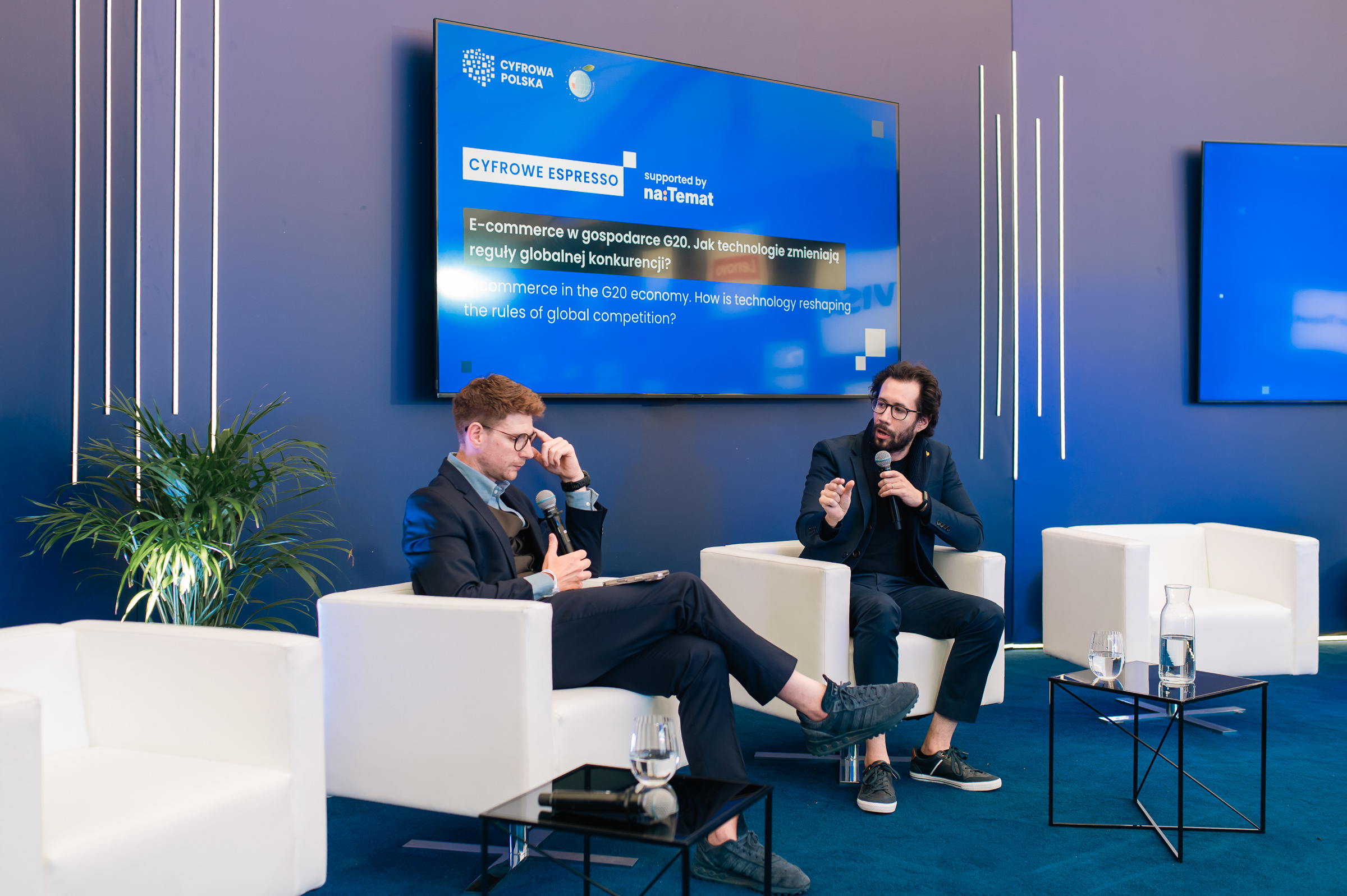
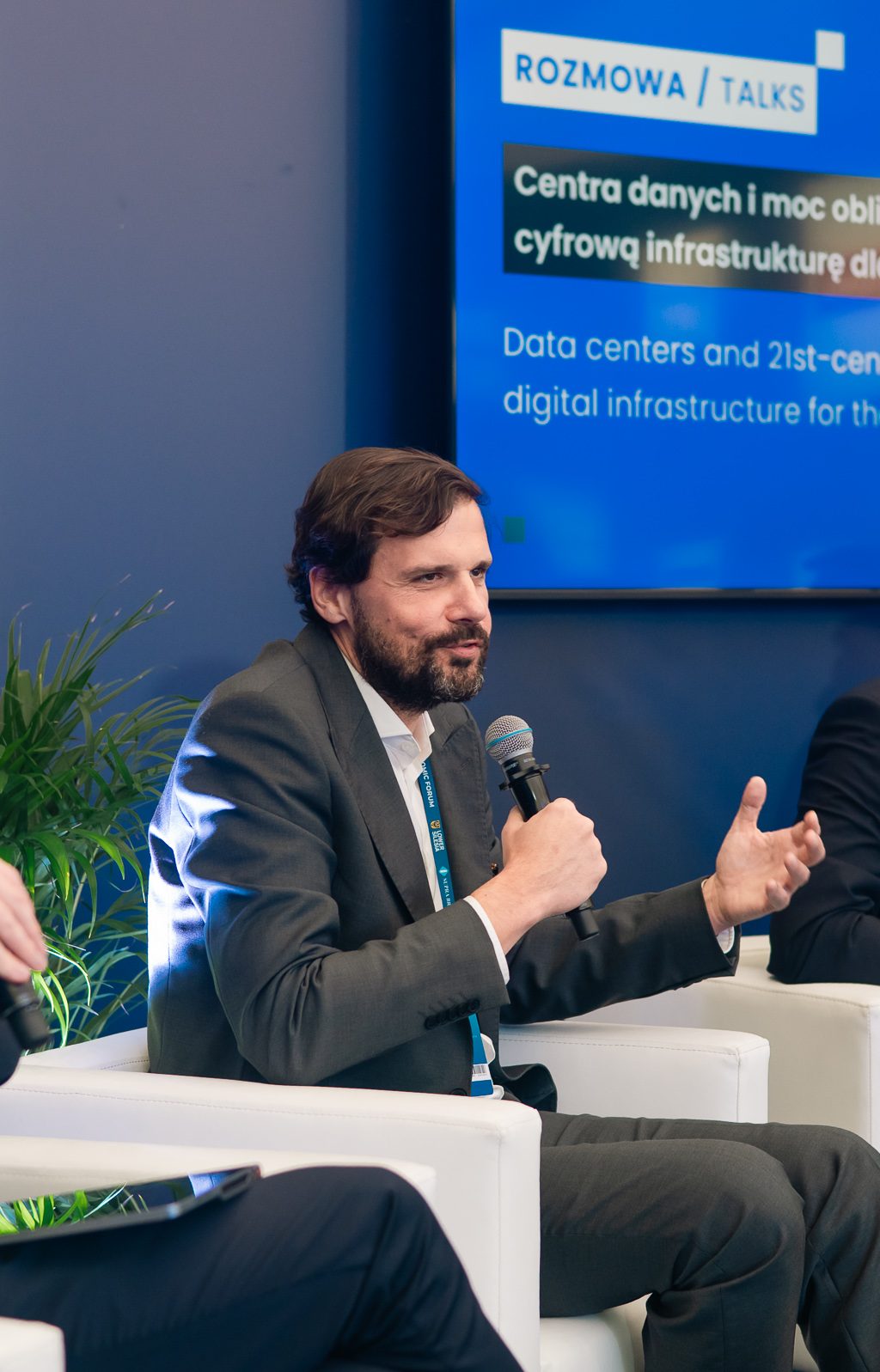
Day two put the spotlight on Poland’s place among the world’s largest economies and its role in the G20. Guests at the Digital Poland Association House discussed the AI infrastructure as well as the role of data centres, cloud technologies and semiconductors as pillars of digital sovereignty. The conversation also turned to digital education and skills – because technology alone will not take us far without people who know how to use it – and to the prospects for Polish companies competing in global markets.
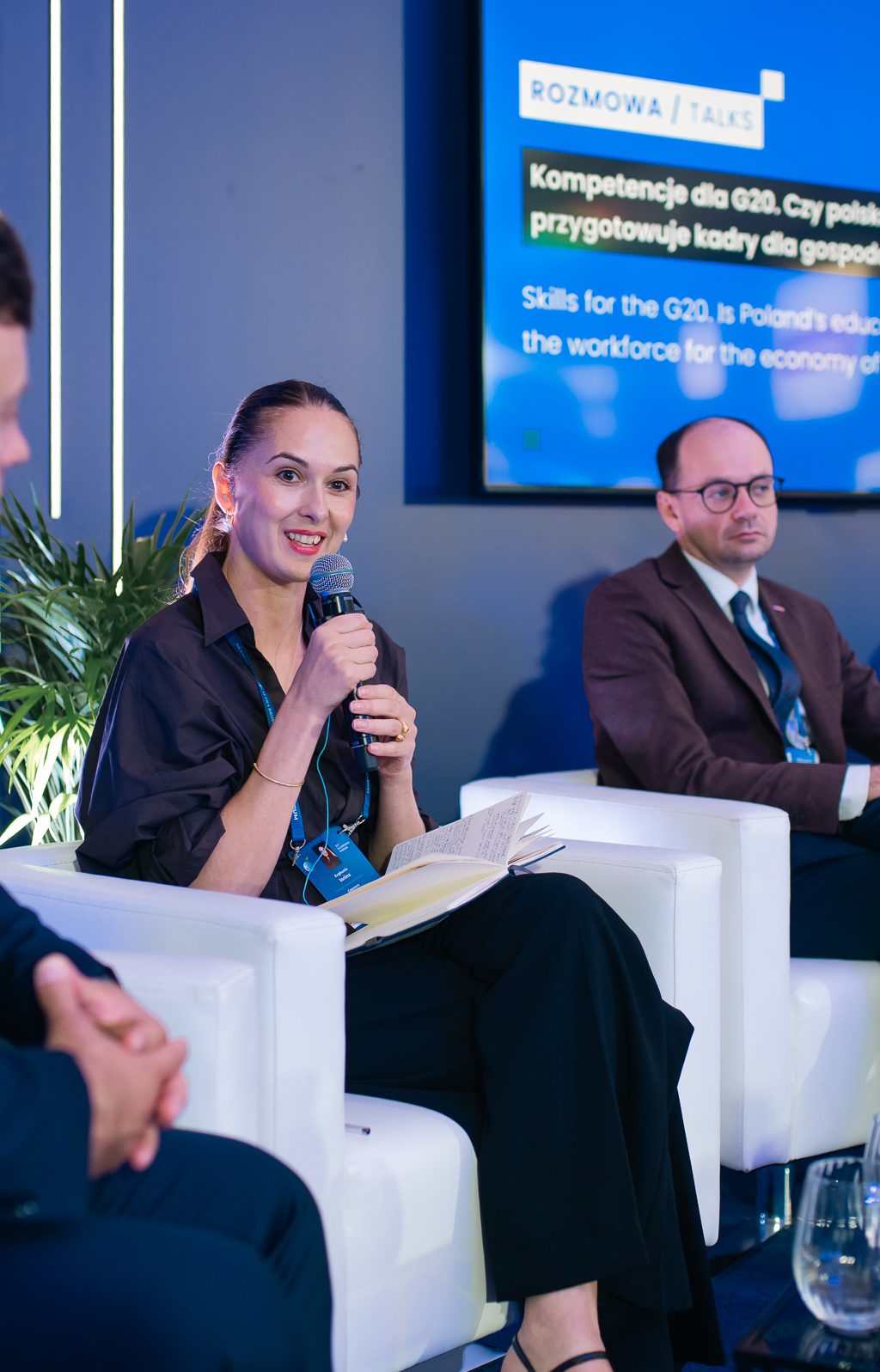
A session co-organised with Coursera on preparing Poles to work alongside AI was one of the highlights of the day. The numbers told us a striking story: 98.8% of Poles have heard of AI, yet only 44.3% have basic digital skills, while in 2025 just 8.7% of Polish companies were using AI. The takeaway was clear: businesses need to understand the tangible benefits of AI; the education-to-career pipeline needs rethinking; and adaptability and a willingness to keep learning matter more than ever. Building AI skills also needs to become part of the country’s long-term economic policy, rather than a single initiative.
Day 3: Consumers, Safety, Trust
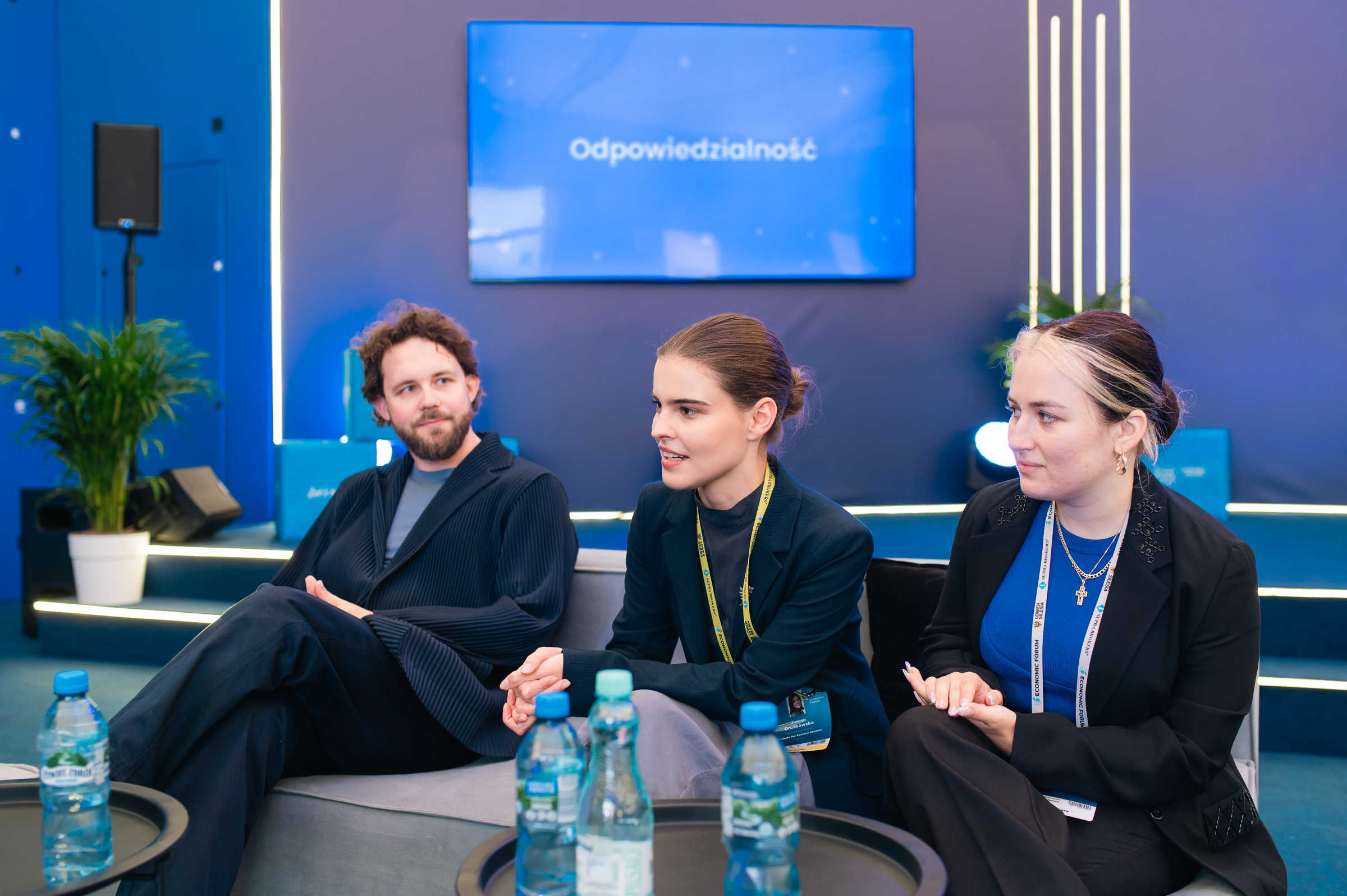
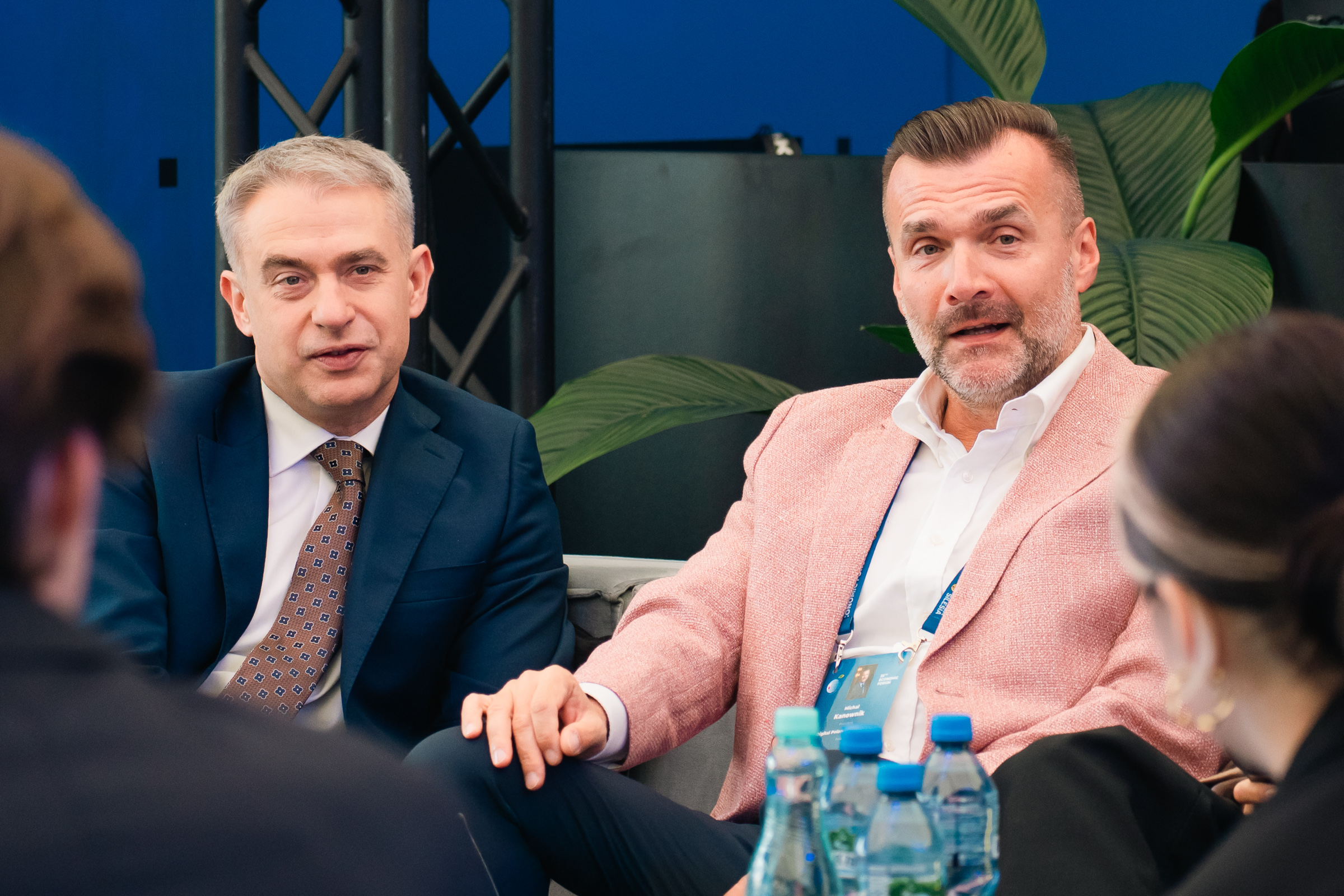
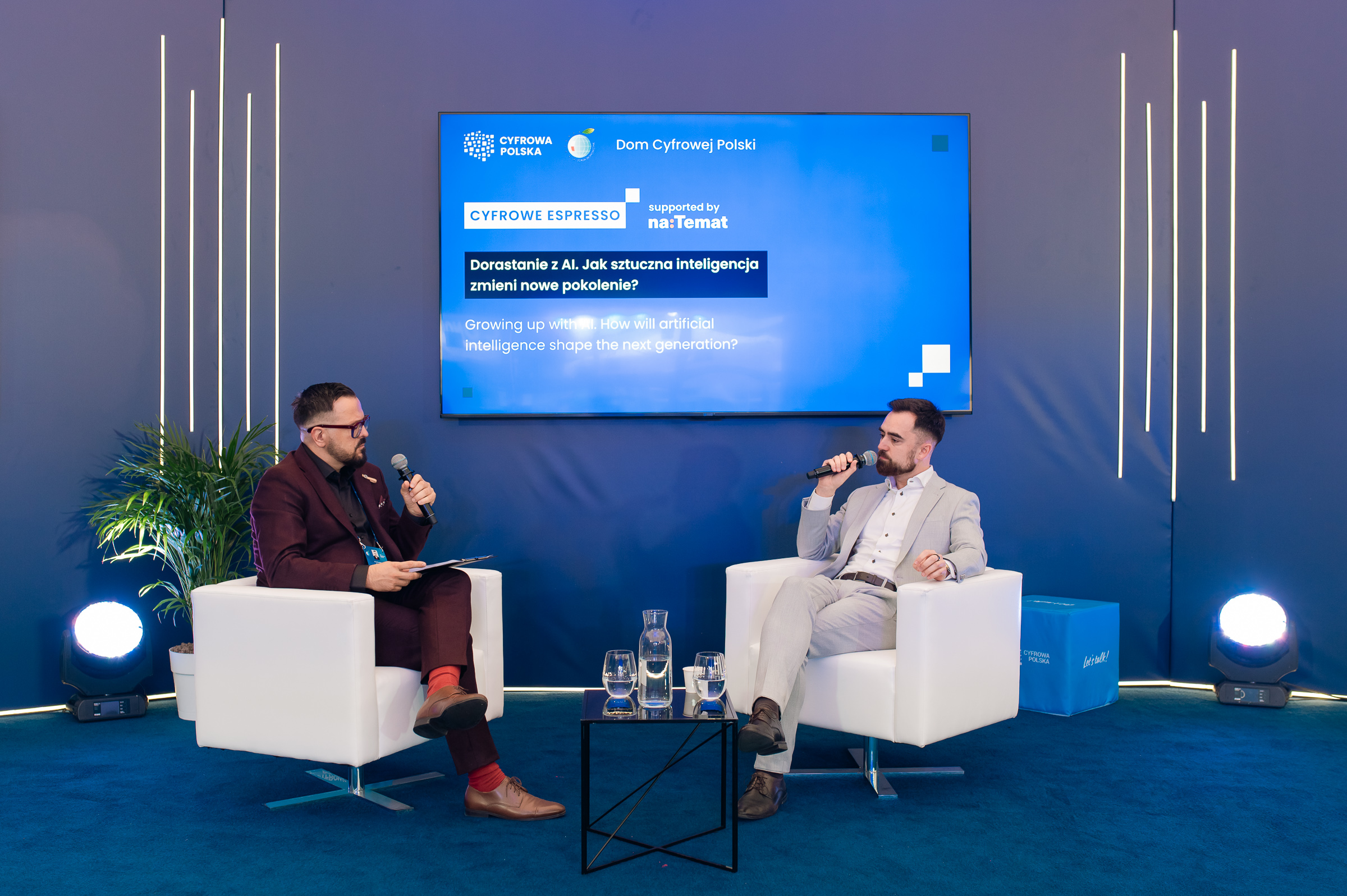
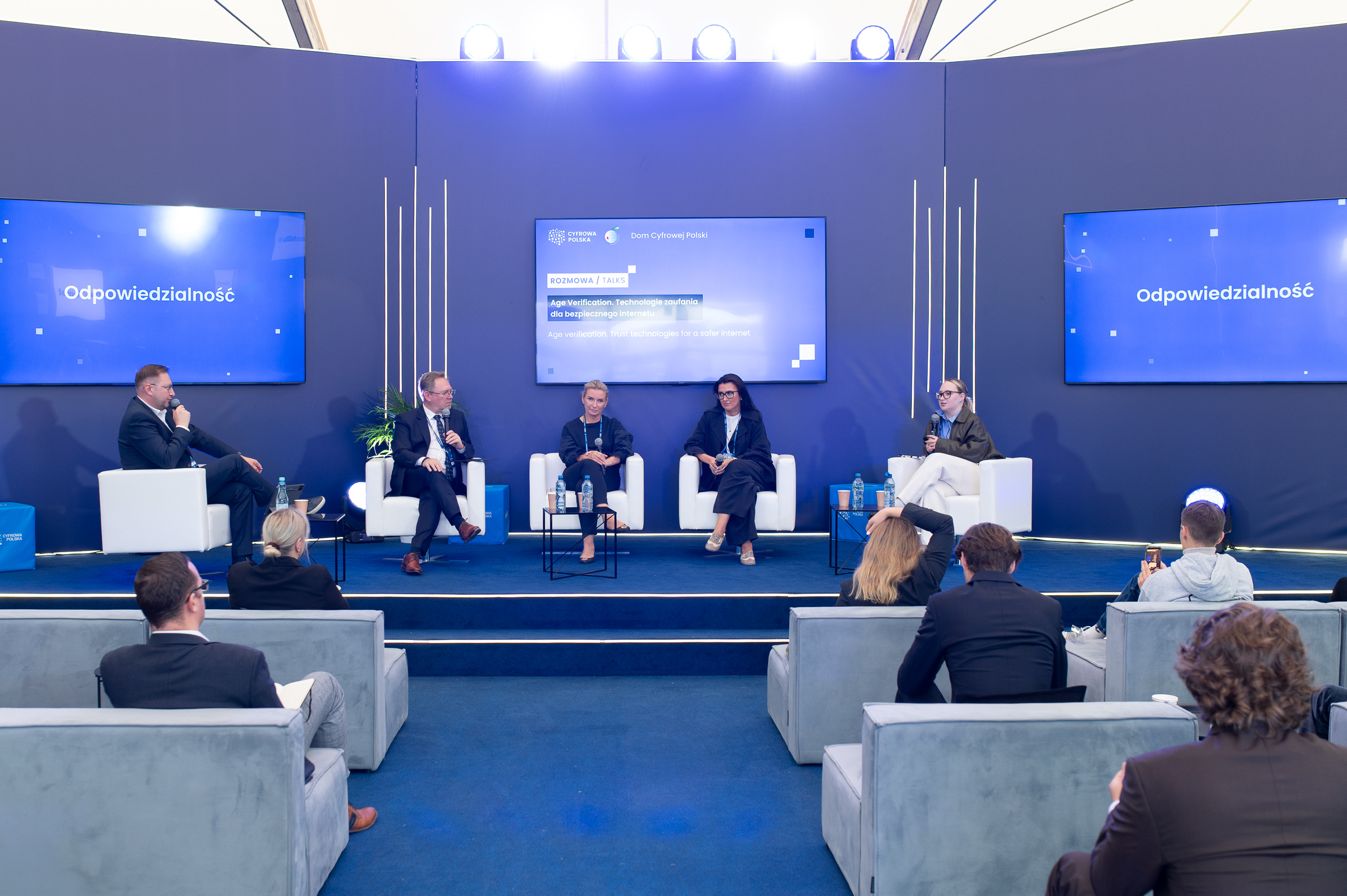
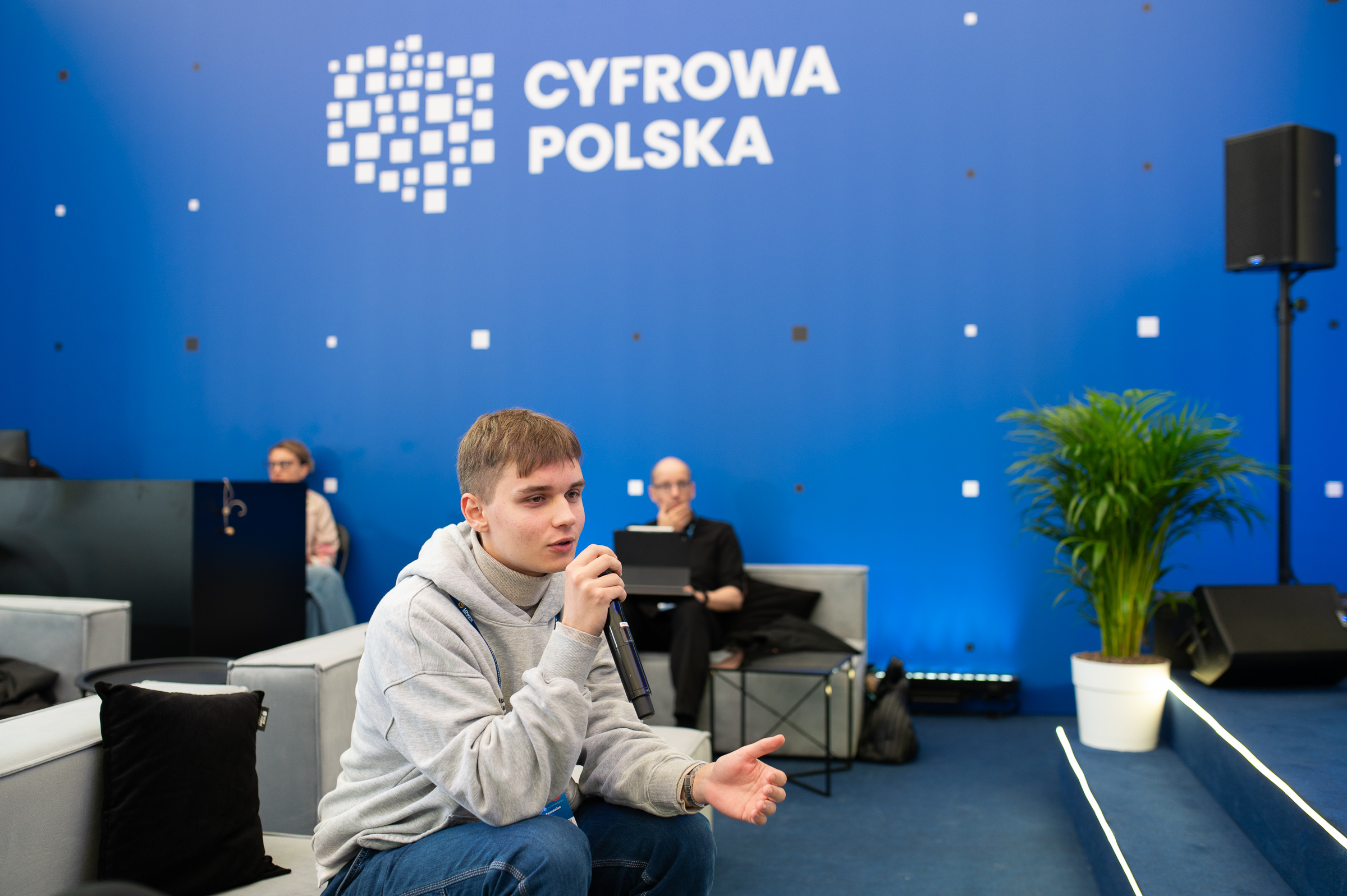
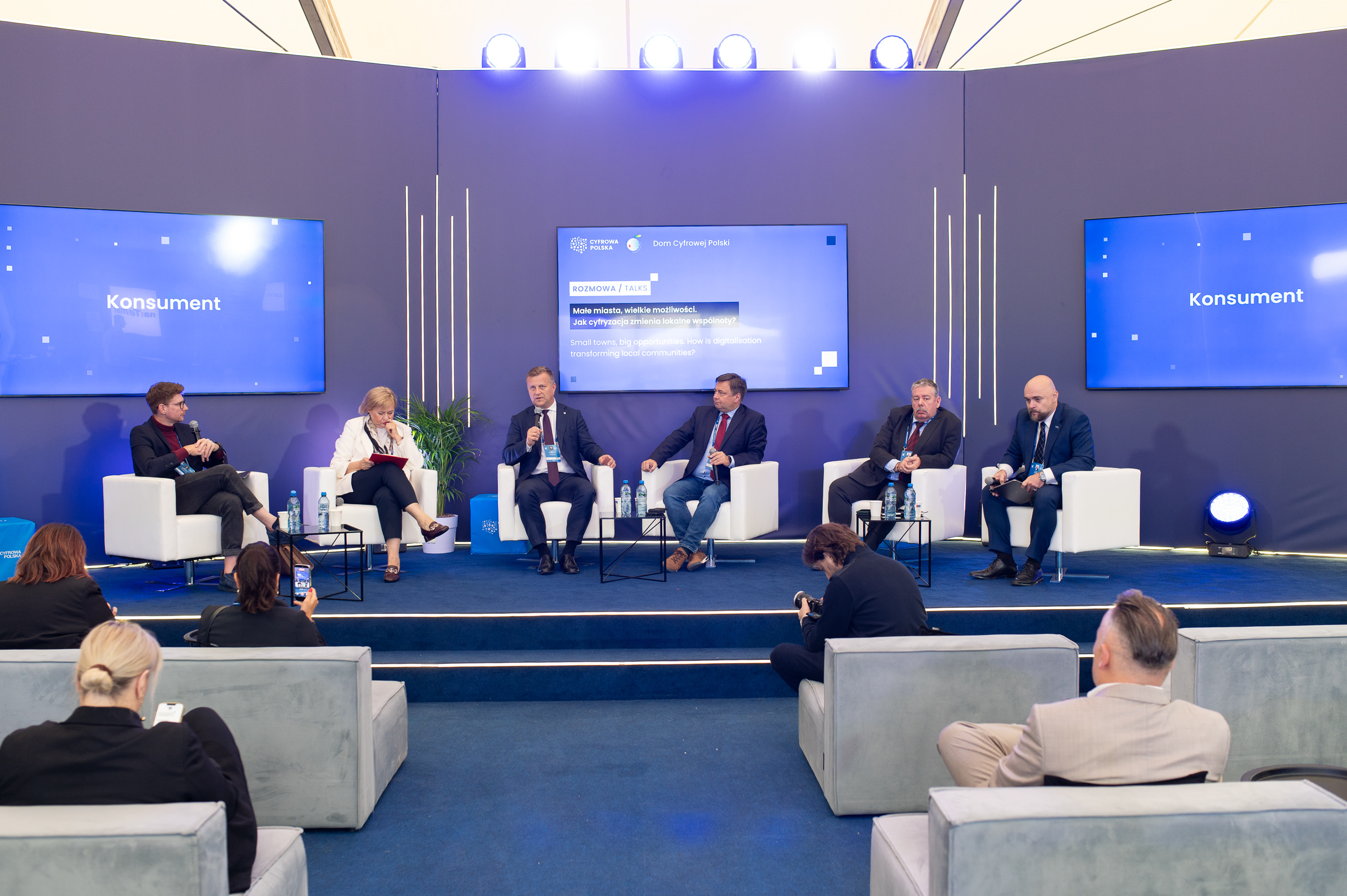
On the final day, the focus shifted to the human side of digital transformation – citizens, consumers and everyday users of new technologies. The programme included a meeting between Minister of Digital Affairs Krzysztof Gawkowski and young people, alongside discussions on growing up with AI, keeping children safe online, and age-verification technology. Speakers also explored how digitalisation and AI are changing life in smaller towns and local governments.
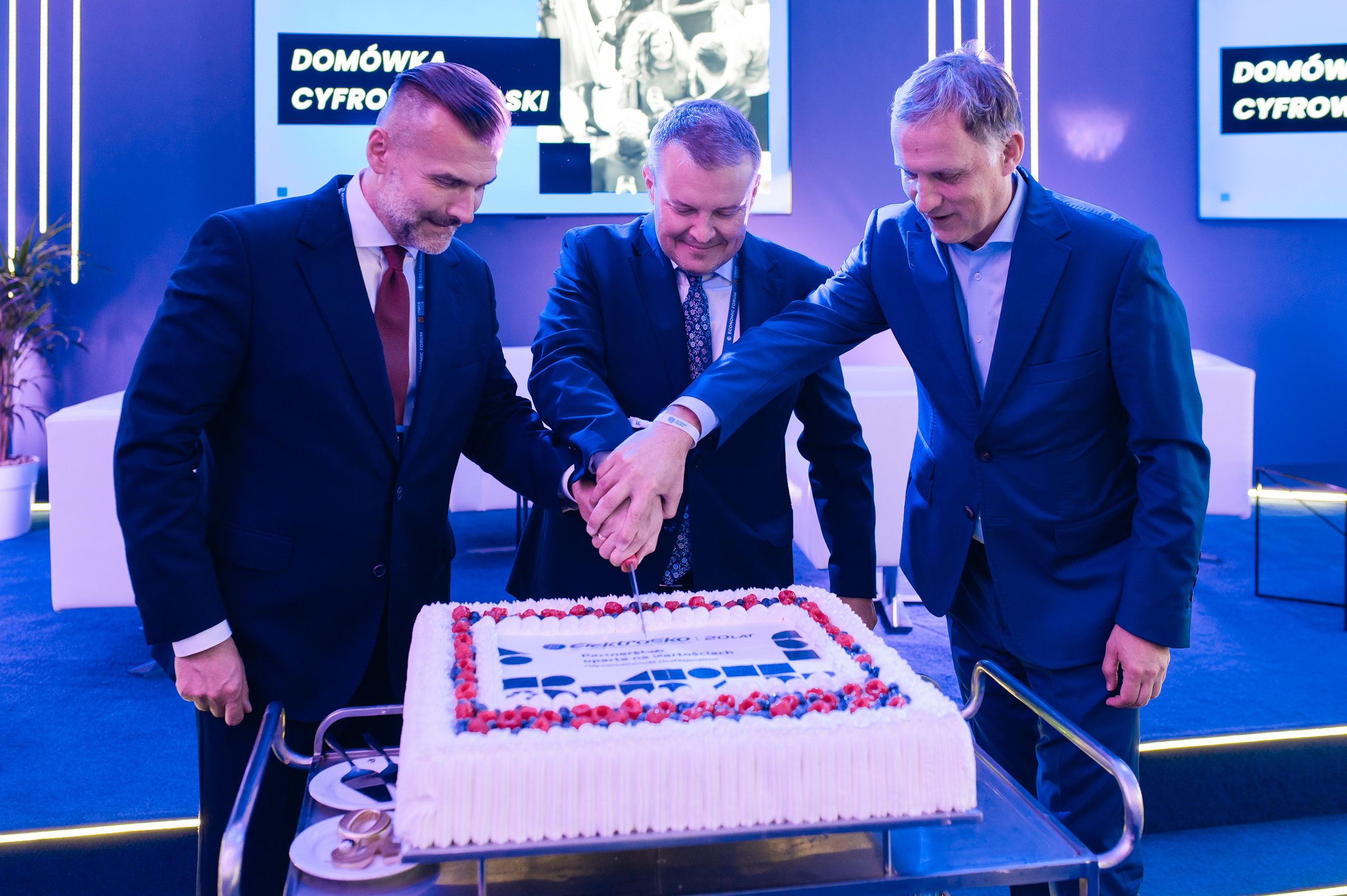
A standout moment was a conversation marking the 20th anniversary of ElektroEko, Poland’s largest organisation for the recovery of electrical and electronic waste. Vice President Andrzej Saja spoke with journalist Paweł Orlikowski about the upcoming revision of the WEEE Directive, financial safeguards for producers, and the growing challenge of managing equipment with increasingly long lifespans. The conversation based on the report “20 Years of Poland’s WEEE System” (download the report).
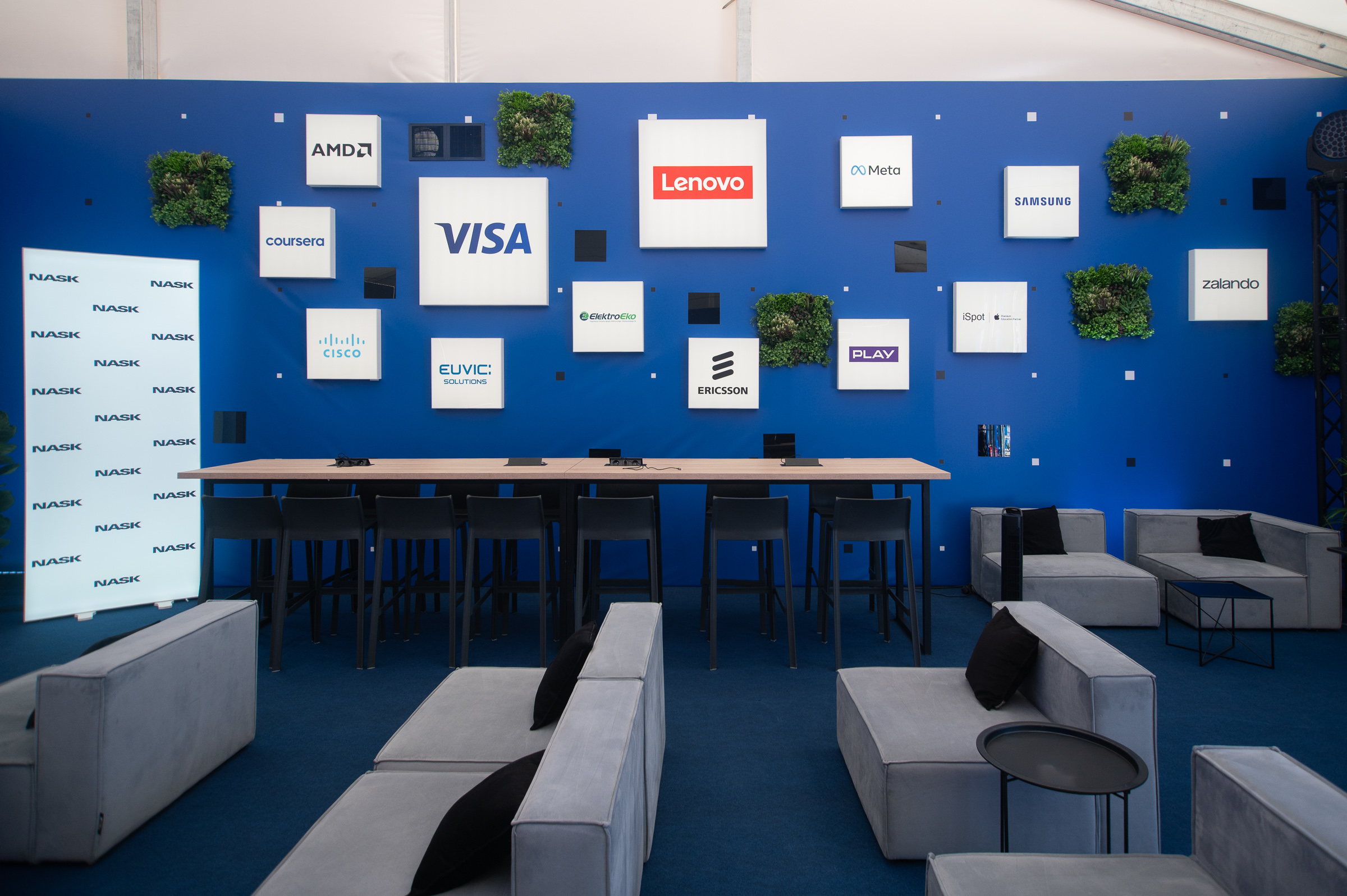
Partners of the Digital Poland Association House
Conversations at the Digital Poland Association House took place under the banner of the Poland: G20 agenda. None of this would have been possible without the support of our partners:
- Strategic partners: Meta, Visa
- Technology partner: Lenovo
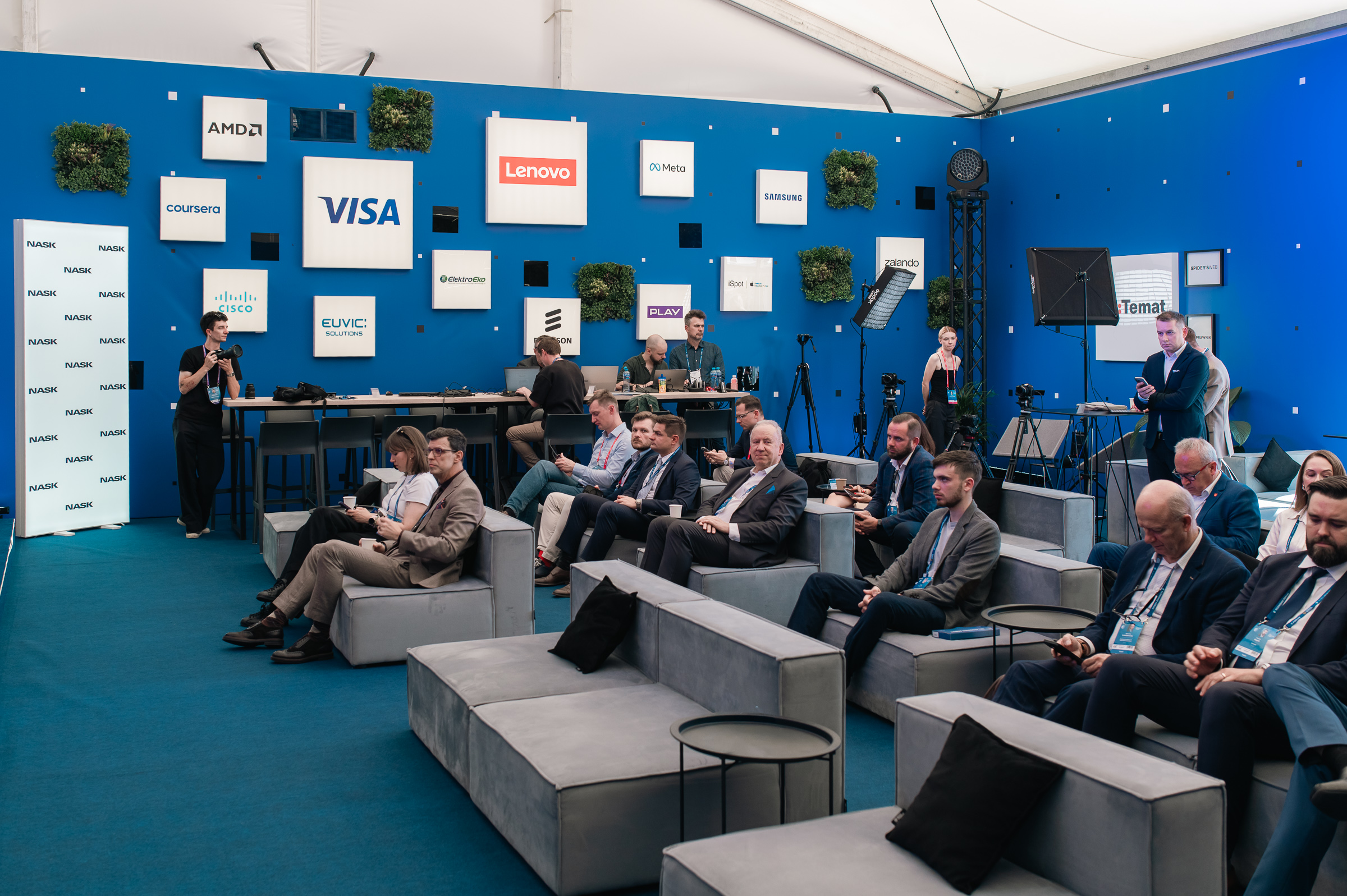
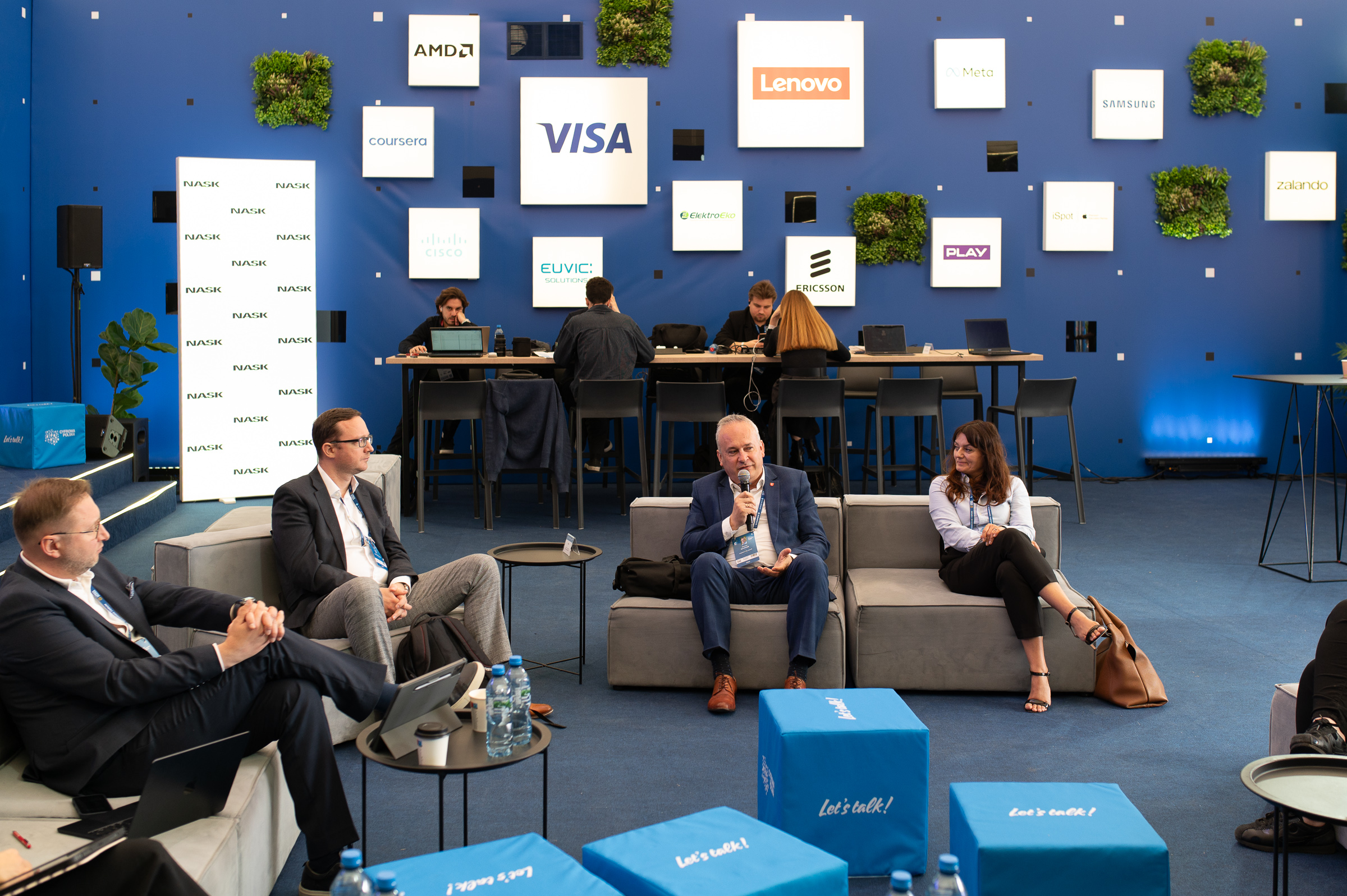
- Knowledge partners: AMD, CEE Digital Coalition, Cisco, Coursera, ElektroEko, Ericsson, Euvic Solutions, iSpot, Play, Samsung, Zalando
- Media partners: Bezprawnik, INN Poland, naTemat, Spider’s Web