

How can Europe strengthen its cybersecurity? Experts debate at the Cybersecurity Forum
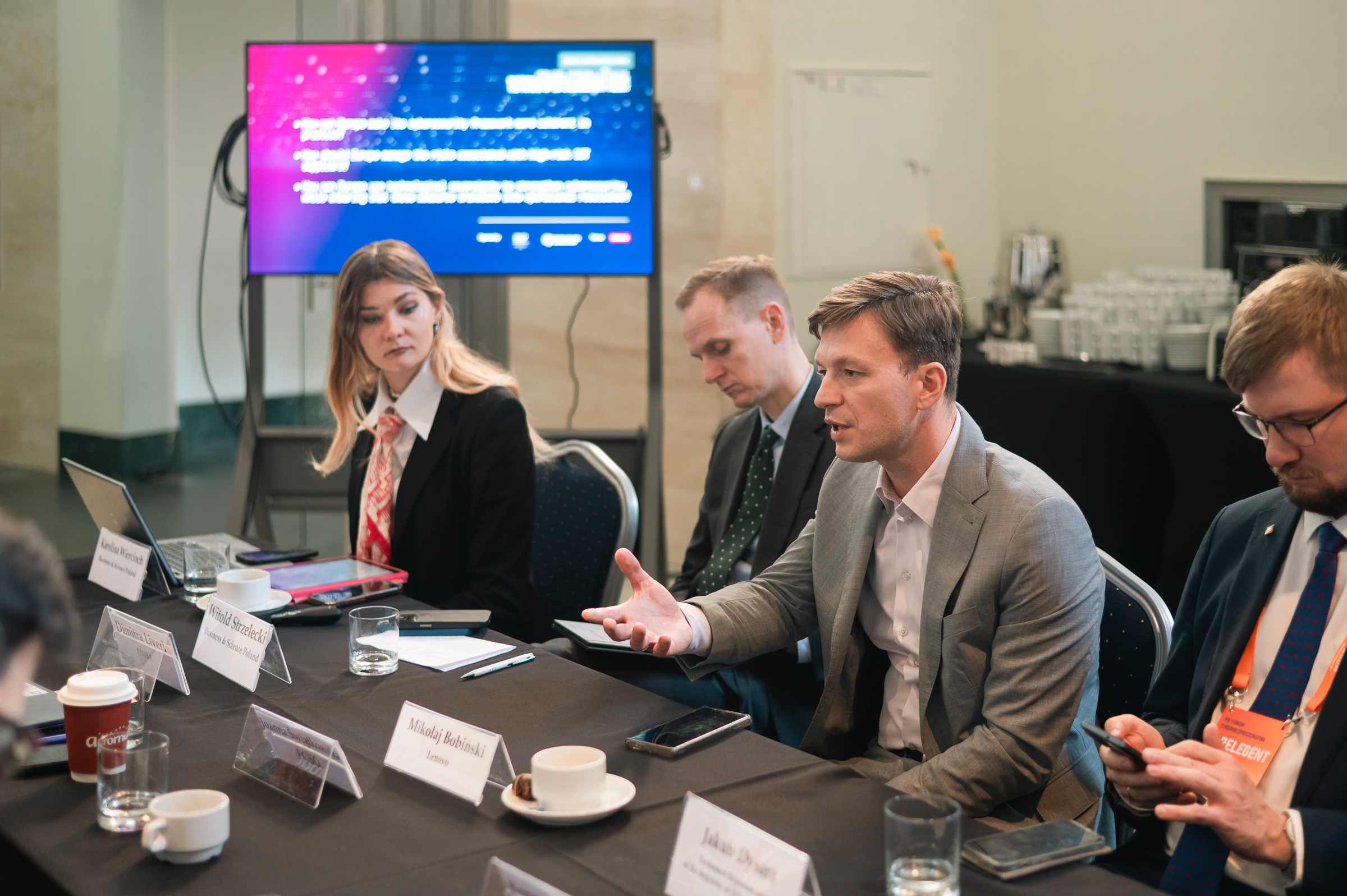
How can Europe respond more effectively to growing cyber threats while developing its own technologies, skills and cybersecurity capabilities? This was the key question addressed by participants in a roundtable organised by the Digital Poland Association (Związek Cyfrowa Polska) together with Business & Science Poland as part of this year’s Cybersecurity Forum organised by the Polish Ministry of Digital Affairs.
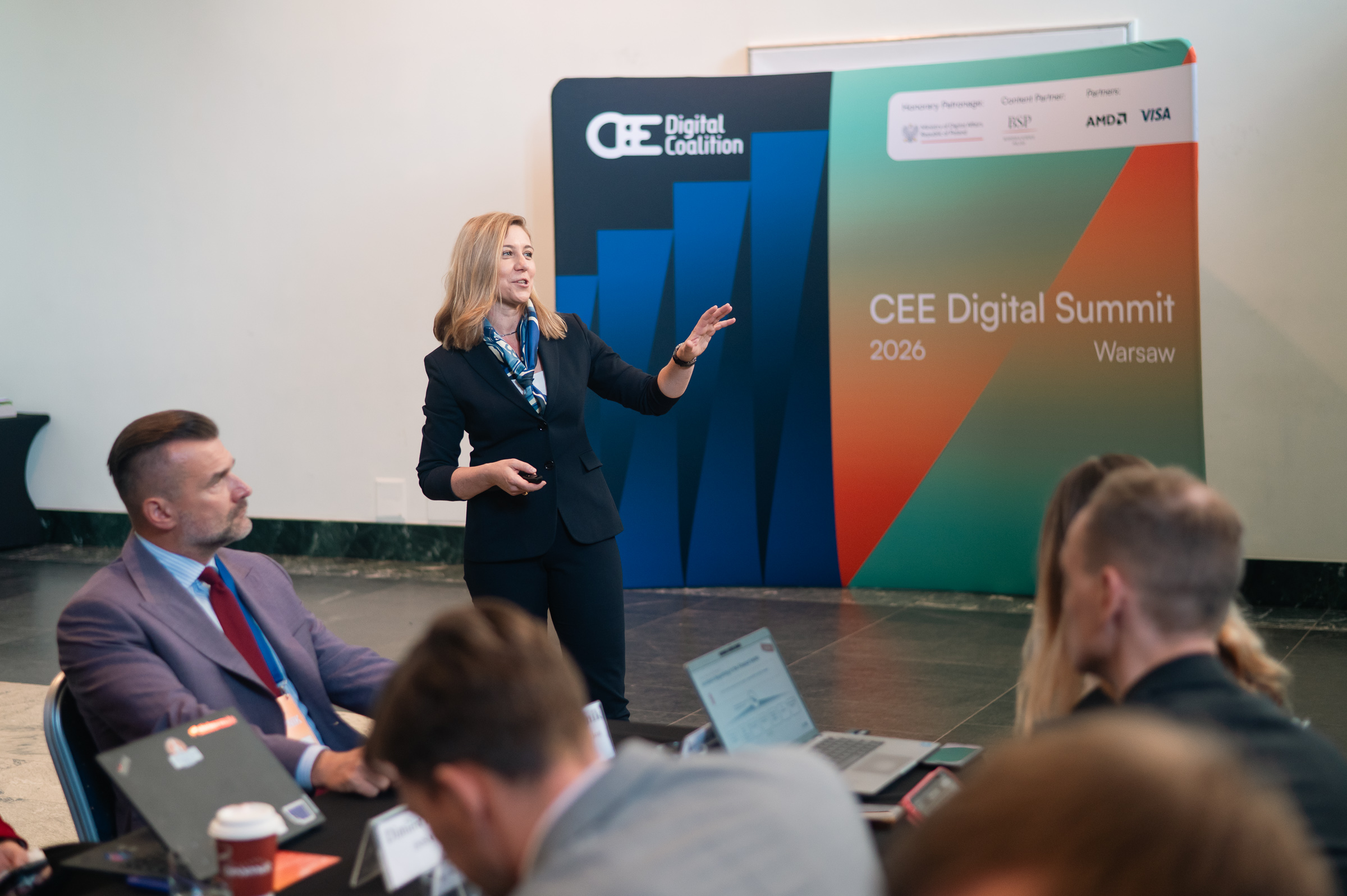
The meeting continued the discussion launched a day earlier during CEE Digital Summit Warsaw 2026, a regional conference organised by the Digital Poland Association as part of the activities of the CEE Digital Coalition – a coalition representing the digital sector across Central and Eastern Europe. The roundtable brought together representatives of EU institutions and agencies, public administrations, policy experts and cybersecurity industry leaders.
The discussion was opened with remarks by Joanna Świątkowska, Secretary General of the European Cyber Security Organisation (ECSO), and Dimitra Liveri from the European Union Agency for Cybersecurity (ENISA). They provided a European perspective on some of the key challenges involved in strengthening Europe’s digital resilience.
From regulation to building real capabilities
The discussion began with the growing cybersecurity threats and dependencies facing key sectors of the European economy. Participants explored how the EU regulatory framework developed in recent years can be complemented by practical measures to strengthen Europe’s resilience, stimulate investment in new solutions and enable a faster response to the rapidly evolving cyber threat landscape.
One of the key conclusions of the meeting was the need to develop a strong European industrial policy for cybersecurity. Regulation should be accompanied by measures supporting investment, innovation and the development of European technologies, expertise and capabilities. Participants stressed that, as cyber threats become increasingly sophisticated, Europe’s defensive capabilities need to evolve just as rapidly as the tools used by cybercriminals and other actors operating in cyberspace.





European cooperation and Member States’ experience
Another important part of the discussion focused on how the experience of individual Member States can contribute to shaping European cybersecurity policy. Participants discussed, among other issues, how solutions and lessons emerging from national regulatory frameworks – including Poland’s Act on the National Cybersecurity System – could inform ongoing work towards a more coherent European approach to high-risk vendors.
The discussion also highlighted the need to strengthen practical cooperation between countries. Experts pointed out that responding effectively to today’s cyber threats requires Member States to exchange information more rapidly, cooperate more closely in incident response, develop shared capabilities and facilitate the exchange of knowledge and experience between public authorities and the private sector.
The roundtable was organised by the Digital Poland Association and Business & Science Poland, the Content Partner of this year’s CEE Digital Summit Warsaw 2026.